
What is fire wall, And what is it use on IT ?
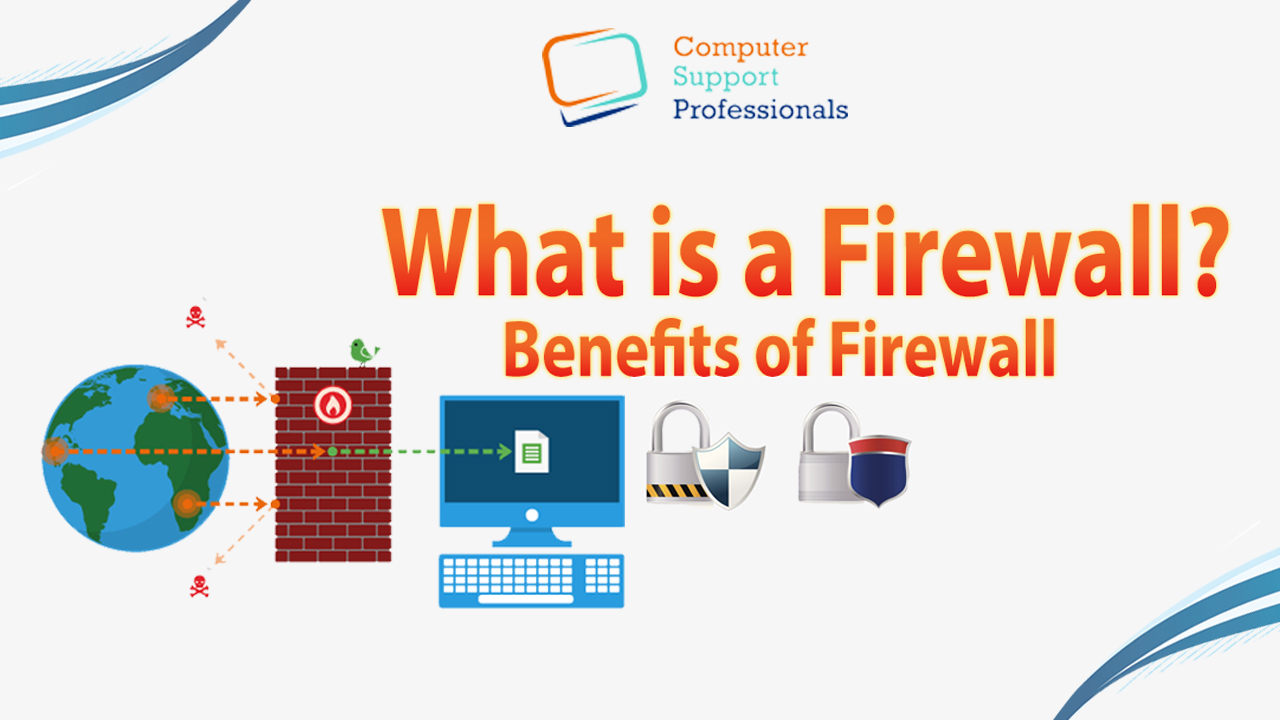
A firewall is a network security system that monitors and controls incoming and outgoing network traffic based on predetermined security rules. Its primary purpose is to prevent unauthorized access to or from a private network, and it can be implemented in both hardware and software form.
Firewalls can be used to protect a single device, such as a computer or a mobile device, or an entire network of devices, such as a corporate network. They can be hardware-based, meaning they are a physical device installed in a network, or software-based, meaning they are installed on a computer or server as an application.
Firewalls can also provide additional security features, such as virtual private network (VPN) support, intrusion detection and prevention, and content filtering. Some firewalls also include features like deep packet inspection, which allows them to examine the contents of packets in addition to header information, providing a more comprehensive level of protection.
In summary, firewalls are essential to securing any network and are a critical part of an organization's overall security strategy. They provide a strong first line of defense against cyber attacks, and can help protect sensitive information and systems from being compromised.
Use On IT
Firewalls have a number of uses and benefits in network security, some of which are:
Access control: Firewalls can be used to control access to and from a network by determining which incoming and outgoing traffic is allowed and which is denied based on specific rules.
Threat protection: Firewalls can provide protection against a range of cyber threats, including malware, viruses, and hackers, by filtering and blocking malicious traffic before it can reach its target.
Network segmentation: Firewalls can be used to segment a network into smaller subnets, providing a more secure environment by reducing the attack surface and making it easier to manage access control.
VPN support: Firewalls can provide support for virtual private networks (VPNs), allowing remote users to securely access a private network as if they were directly connected.
Content filtering: Firewalls can be used to enforce organizational policies on internet usage by filtering out unwanted or inappropriate content.
Intrusion detection and prevention: Firewalls can be configured to detect and prevent intrusions, such as unauthorized access attempts, by analyzing network traffic and taking action when necessary.
Compliance: Firewalls can help organizations comply with regulatory requirements, such as the Payment Card Industry Data Security Standard (PCI DSS), by providing a secure environment for sensitive data.
In conclusion, firewalls are versatile and useful tools that play a critical role in protecting networks from a variety of cyber threats. They can be used to control access, prevent threats, support VPNs, filter content, detect and prevent intrusions, and meet compliance requirements, among other things.



